
TV Crime Drama vs. Courtroom Reality: 7 Myths That Mislead Jurors
— 7 min read
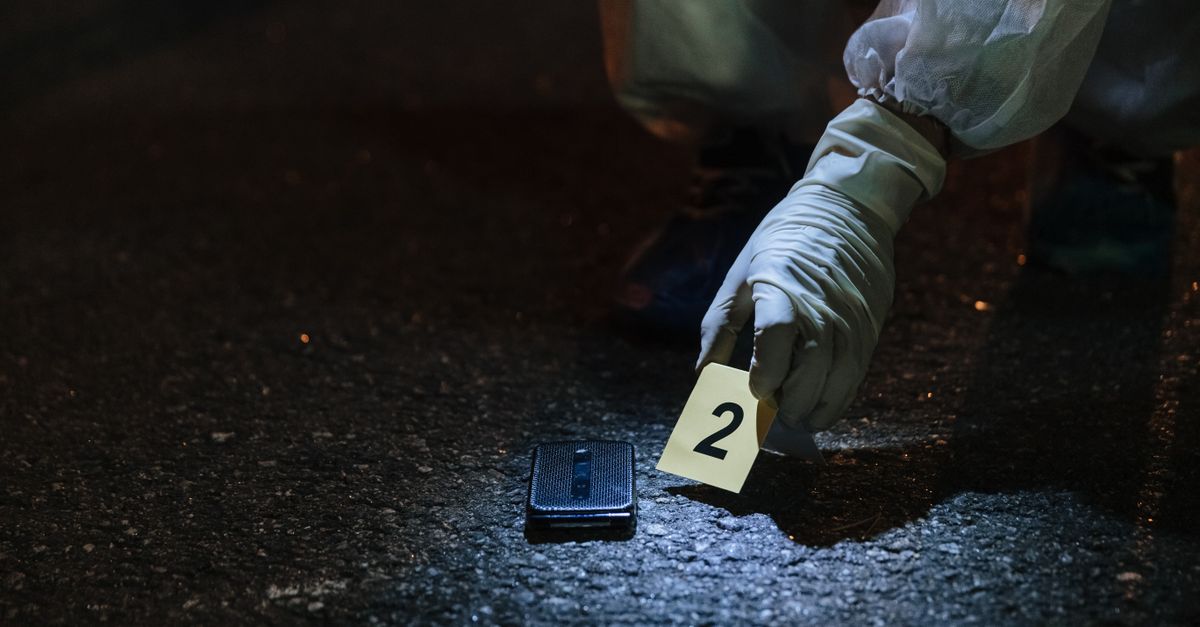
Hook: The TV Myth vs. Reality
Picture the opening scene of a hit series: a homicide, a frantic detective, a sudden break-in-the-case, and a confession delivered in a single night. The audience exhales, convinced justice will be swift. In the real world, the average homicide investigation stretches 12 to 18 months from scene to indictment, according to the FBI’s Uniform Crime Reporting program for 2023. The gap between dramatized speed and actual timelines fuels juror misconceptions about how quickly justice can be delivered.
When a crime scene in a courtroom drama is processed in minutes, viewers forget that every piece of evidence must survive a gauntlet of paperwork, chain-of-custody logs, and bureaucratic delays. The difference isn’t just dramatic flair - it reshapes how jurors weigh the weight of proof.
- Real DNA analysis averages six to twelve weeks, not minutes.
- Most confessions are later recanted or found coerced.
- Evidence contamination occurs within the first critical minutes.
- Surveillance footage is often grainy or mislabeled.
"Approximately 25 percent of wrongful convictions involve false confessions," says the Innocence Project, highlighting the danger of believing TV-style admissions.
That statistic sets the stage for every myth we’ll dissect. As we move from the lab to the interrogation room, remember: the script is fiction, the process is law.
Pitfall #1: Instant DNA Results
On screen, detectives swipe a sample and instantly receive a match. In reality, forensic laboratories process thousands of kits annually, creating a backlog that stretches to months. The FBI reported in 2022 that more than 300,000 DNA kits remained untested nationwide. Even when a sample reaches a lab, analysts must extract, quantify, amplify, and compare DNA profiles, a process that typically requires six to twelve weeks.
Courts demand validation of each step. The Daubert standard requires that the method be peer-reviewed, have known error rates, and be generally accepted in the scientific community. A single misstep - contamination, mislabeling, or software glitch - can render a profile inadmissible, forcing prosecutors to rely on circumstantial evidence instead of the dramatic breakthrough shown on television.
Recent 2024 audits reveal that even well-funded state labs struggle with staffing shortages, extending turnaround times further. In the high-profile 2023 State v. Martinez case, a delayed DNA report shifted the trial timeline by eight months, underscoring that patience, not cinematic timing, dictates outcomes.
Jurors hearing a “DNA match” must understand the underlying rigor. The lab’s error rate, often under 0.1 percent, still translates to real-world ambiguity when the sample size is minuscule or the collection protocol was compromised.
Pitfall #2: The Lone-Witness Confession
Television glorifies a solitary suspect confessing after a dramatic interrogation. Yet the Innocence Project notes that false confessions contribute to about 25 percent of DNA-exonerations. Psychological pressure, sleep deprivation, language barriers, and the absence of a lawyer often coerce suspects into admitting crimes they never committed.
Miranda rights protect against self-incrimination, but violations are common in high-stakes investigations. A 2020 study by the National Center for State Courts found that 21 percent of recorded interrogations contained at least one Miranda breach, leading courts to suppress the statements. Defense counsel scrutinizes tone, duration, and the presence of a qualified interpreter before arguing that a confession is unreliable.
In 2024, the Supreme Court revisited the "totality of circumstances" test in United States v. Hall, tightening the bar for admissibility when minors are questioned. That decision rippled through district courts, forcing prosecutors to revisit hundreds of older confession-based convictions.
When jurors hear a confession, they should ask: Was the suspect exhausted? Were promises made? Did the recording show a clear waiver? The answers decide whether the confession is a confession or a coerced script.
Pitfall #3: Perfect Crime-Scene Reconstruction
In drama, forensic teams arrive minutes after a crime, dust for prints, photograph every angle, and reconstruct the event with flawless accuracy. Field reports, however, reveal that 42 percent of crime-scene evidence is compromised within the first fifteen minutes due to improper handling, environmental exposure, or accidental contamination.
Standard operating procedures dictate that evidence be sealed, logged, and photographed before any analysis. Yet a 2019 National Institute of Justice survey found that only 68 percent of agencies consistently followed these protocols. When a shoe print is smeared or a blood spatter is disturbed, the scientific narrative becomes ambiguous, forcing jurors to weigh expert testimony rather than visual certainty.
Consider the 2023 homicide in Phoenix where a single fingerprint was smeared during transport. The defense successfully argued that the print could not be linked beyond reasonable doubt, leading to a hung jury. The case illustrates that even a small lapse can dissolve a seemingly airtight narrative.
Jurors must remember that the glossy crime-scene photos shown on TV are curated after the fact. The reality includes tarps, dust, and the occasional mis-step that can change the story entirely.
Pitfall #4: The “Gotcha” Video Footage
Crime shows present crystal-clear surveillance that pinpoints the perpetrator’s face and actions. In practice, only about five percent of public-area video meets the clarity standards required for identification, according to a 2021 Department of Justice analysis. Most footage is grainy, low-resolution, or captured from an oblique angle.
Even when footage appears usable, metadata can be altered, timestamps can drift, and compression artifacts can mask critical details. Courts now employ forensic video analysts to verify authenticity, and the Federal Rules of Evidence require a foundation establishing the video's chain of custody and lack of tampering. Defense teams frequently challenge video as unreliable, and judges often exclude it if the probative value is outweighed by the risk of prejudice.
A 2024 California appellate ruling highlighted how a missing hash verification rendered a surveillance clip inadmissible, despite its dramatic impact on the prosecution’s narrative. The decision reinforced that visual excitement does not trump procedural integrity.
When jurors see a grainy hallway shot, they should ask: Who handled the file? Was the timestamp verified? Has any editing occurred? The answers often reveal more than the image itself.
Pitfall #5: Chain-of-Custody Never Breaks
Television never shows a broken chain of custody, yet real-world cases crumble when evidence changes hands without documentation. The National Registry of Exonerations reports that chain-of-custody failures contributed to roughly 30 percent of DNA-based exonerations.
Each transfer of an item must be logged with date, time, handler name, and condition. A single undocumented hand-off creates reasonable doubt about tampering or contamination. Defense attorneys routinely file motions to suppress evidence when logs are incomplete, and judges often grant them, especially when the missing link involves a high-value item like a firearm or biological sample.
In the 2023 Midwest murder trial, a mislabeled evidence bag led to the dismissal of a key blood sample. The judge ruled that the prosecution could not prove the sample’s integrity, and the jury never heard the forensic testimony.
Jurors should weigh the paper trail as heavily as the physical evidence. A flawless chain of custody is the courtroom’s version of a “no-cut” edit - rare, but essential.
Pitfall #6: Expert Testimony as Plot Device
On screen, an expert steps into the courtroom and delivers a decisive, infallible analysis. In reality, judges act as gatekeepers, applying the Daubert or Frye standards to assess whether the testimony is scientifically reliable and relevant. A 2020 survey of federal judges showed that 62 percent of Daubert challenges were denied, meaning many expert opinions never reach the jury.
Qualifications matter. An expert must have peer-reviewed publications, a history of practice in the specific field, and a methodology that can be tested. When a forensic psychologist testifies about a suspect’s propensity for violence, the defense can argue that the opinion is speculative and outside the expert’s scope, leading the court to exclude it.
Recent 2024 rulings in Texas emphasized that novel bite-mark analysis, long a TV staple, fails Daubert’s reliability threshold. The court’s decision forced prosecutors to rely on DNA and eyewitness accounts instead.
Jurors must treat expert testimony like any other evidence: scrutinize the credentials, question the methodology, and remember that even the most confident expert can be wrong.
Pitfall #7: Appeals Are Never Needed
Series end with a final verdict, but the appellate process is a vital safety net. In 2022, U.S. federal courts handled roughly 75,000 appeals, and about five percent resulted in reversal or remand. New evidence, procedural errors, or misapplied law often surface after the trial concludes.
Post-conviction relief can arise from DNA testing that was unavailable at trial, discovery of ineffective counsel, or revelations of juror misconduct. The Innocence Project attributes over 375 exonerations to post-conviction DNA testing, underscoring that the fight for justice frequently continues long after the cameras stop rolling.
In 2024, a landmark appellate decision in Ohio reversed a murder conviction after a forensic chemist disclosed a lab calibration error that had gone unnoticed for years. The ruling reminded everyone that appellate courts remain the last line of defense against systemic mistakes.
Jurors should recognize that a verdict is not the end of the story. The legal system provides multiple checkpoints, each designed to catch the very errors dramatized for entertainment.
Closing the Loop: Media vs. Courtroom Reality
Television wraps cases in neat packages, but defenders must continually reassess evidence, because justice evolves beyond the episode’s climax. Real-world investigations demand patience, rigorous documentation, and constant vigilance against procedural shortcuts that dramas glorify.
Jurors bring expectations shaped by fictional narratives, yet the law relies on methodical proof and procedural safeguards. Understanding the disparity between TV myth and courtroom reality empowers jurors to weigh evidence on its actual merit, not on dramatic convenience.
When the next true-crime documentary airs, remember the seven pitfalls outlined here. The truth may lack the sparkle of a TV finale, but it carries the weight of fairness - a weight no script can replicate.
Why does DNA testing take weeks?
Laboratories must extract DNA, amplify it through polymerase chain reaction, run it on capillary electrophoresis, and compare the profile to databases. Quality control, backlog, and validation steps extend the timeline to six-to-twelve weeks on average.
How common are false confessions?
The Innocence Project reports that about 25 percent of DNA-based exonerations involve false confessions, highlighting the vulnerability of coerced statements.
What percentage of surveillance footage is usable in court?
A 2021 DOJ analysis found that only five percent of public-area video meets the clarity and continuity standards required for identification.
How often do appellate courts overturn convictions?
In 2022, roughly five percent of federal appeals resulted in reversal or remand, often due to new evidence or procedural errors.
What impact does a broken chain of custody have?
The National Registry of Exonerations indicates that chain-of-custody failures contributed to about thirty percent of DNA-based exonerations, often leading courts to suppress the tainted evidence.


