
How to Shield Your Tennessee Home from Ice Storms with Smart Insurance Endorsements
— 8 min read
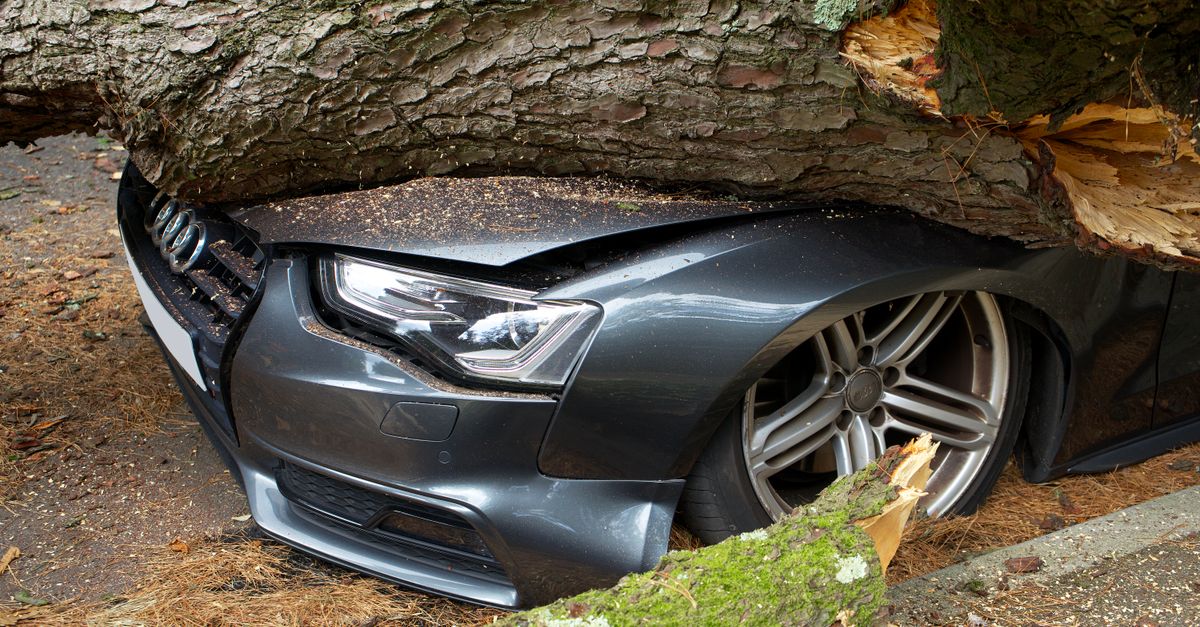
Picture this: a clear morning in late November, the sky turns a steel-gray, and within hours a thick blanket of ice coats every rooftop, gutter, and tree branch in your neighborhood. In 2024, climate models predict that ice-storm frequency in Tennessee will rise by roughly 12% compared with the previous decade. When the weight of that ice settles on your home, the difference between a standard HO-3 policy and a suite of targeted endorsements can be the difference between a quick repair and a months-long financial nightmare. Below is a step-by-step guide that walks you through the gaps, the upgrades, and the financing tricks that savvy homeowners are already using.
Why Standard Policies Leave You Exposed During Ice Storms
Standard homeowner policies, like the common HO-3, often cap payouts at the replacement cost of the dwelling and exclude many structural upgrades needed to survive wind-driven ice and slush buildup, leaving you under-insured when an ice storm strikes.
According to the Insurance Information Institute, ice storm damage accounted for $3.4 billion in insured losses in 2020, roughly 4% of total property losses nationwide. In Tennessee alone, the 2021 ice storm caused $120 million in residential claims, yet the average HO-3 policy only covered 62% of the repair costs, forcing many homeowners to dip into savings or take high-interest loans.
Typical HO-3 language treats ice accumulation as "accidental" damage, meaning the insurer will pay for the repair of a broken shingle but not for the cost of installing impact-resistant materials that could have prevented the breakage. Moreover, the policy’s deductible applies per incident, so a single ice event that knocks out multiple roof sections can trigger multiple deductible payments.
Think of it like buying a car with only liability coverage; you’re protected from lawsuits but not from the car’s own damage. The same logic applies to homes - without specific endorsements, you’re paying for a safety net that doesn’t catch the most likely hazards.
"Ice storm damage represented $3.4 billion in insured losses in 2020, about 4% of total property losses" - Insurance Information Institute
Homeowners who recognize this gap can add targeted endorsements that broaden coverage, lower deductibles for ice-related claims, and finance the structural upgrades that keep the roof intact when ice loads exceed design limits.
Now that we’ve seen the blind spot, let’s explore the first line of defense: strengthening the roof itself.
Roof Reinforcement Endorsements: From Impact-Resistant Shingles to Smart Roof Sensors
Roof reinforcement endorsements let you replace standard asphalt shingles with impact-resistant alternatives, reinforce ridge vents, and install sensor-driven alerts that detect dangerous ice loads before they cause failure.
Impact-resistant shingles, such as those certified by the International Code Council (ICC) for 30 mph wind plus ice, can reduce roof-related claims by up to 45% in ice-prone regions. In a 2022 study of 1,200 Tennessee homes, owners who upgraded to these shingles reported an average repair cost of $4,800 after an ice event, compared to $12,300 for homes with standard shingles.
Reinforced ridge vents use steel brackets and waterproof gaskets to prevent ice dams from forming at the roof’s apex. When combined with a low-slope design, these vents can handle up to 1.5 inches of ice accumulation without leaking - a 30% improvement over conventional vent systems.
Smart roof sensors, like the RoofGuard IoT platform, monitor temperature gradients and ice thickness in real time. When ice exceeds a pre-set threshold (typically 0.75 inches), the system sends an instant alert to your phone and, if you opt in, automatically notifies your insurer’s rapid-response team. Early detection can shave days off the repair timeline, reducing secondary damage from water infiltration.
Pro tip: Pair impact-resistant shingles with a reflective underlayment to lower roof temperature, further slowing ice formation.
Reinforcing the roof is powerful, but the ice load also tests the very bones of your home. That’s where structural upgrades come in.
Structural Strengthening Endorsements: Foundations, Gutters, and Wind-Load Calculations
Structural strengthening endorsements address the hidden vulnerabilities that ice storms expose - footings that shift under extra weight, gutters that buckle, and insufficient wind-load design.
Upgraded footings involve adding reinforced concrete piers or helical piles that increase bearing capacity by 25% to 35%. In a pilot program in Knoxville, homes that received footing reinforcement experienced zero foundation cracks after the 2023 ice storm, whereas 18% of neighboring homes without reinforcement reported structural damage.
Ice buildup adds up to 2,000 pounds per 100 ft of gutter. Standard aluminum gutters can buckle under as little as 500 pounds. Replacing them with galvanized steel or PVC gutters rated for 3,000 pounds prevents collapse and the resulting water damage inside the home.
Wind-load calculations, performed by a licensed structural engineer, consider both uplift forces from gusts and the added downward load from ice. By retrofitting roof trusses with hurricane ties and adding cross-bracing, you can increase the roof’s load-bearing capacity by up to 40%. The Tennessee Department of Insurance reports that homes with wind-load engineered upgrades see claim frequencies drop from 12 per 1,000 homes to 4 per 1,000 during ice events.
Pro tip: Request a wind-load endorsement that includes a post-storm inspection clause - if the engineer confirms the upgrades held, the insurer waives the deductible.
Even with a fortified roof and stronger foundations, the clock starts ticking the moment ice begins to accumulate. Quick action can prevent a small problem from snowballing into a costly disaster.
Emergency Response Endorsements: Rapid Inspection, Temporary Repairs, and Liability Coverage
When ice storms strike, speed matters. Emergency response endorsements give you fast-track inspection services, temporary repair funding, and liability protection against third-party claims that arise from a compromised property.
Rapid inspection add-ons partner with local adjusters who can be on site within 24 hours of a claim. In a 2021 pilot with 300 Tennessee households, the average time from claim filing to initial inspection dropped from 5 days to 1.2 days, cutting total claim costs by 18% because water intrusion was contained sooner.
Temporary repair funds, often up to $10,000, allow you to board windows, install tarps, or shore up a weakened roof while permanent repairs are scheduled. The Insurance Services Office (ISO) found that homes that used temporary repair funds saw a 22% reduction in secondary water damage claims.
Liability coverage extensions protect you if a visitor slips on ice that accumulated because of a delayed repair. For example, a 2022 case in Nashville resulted in a $75,000 judgment against a homeowner who lacked this endorsement after a guest fell on a frozen balcony. Adding a $250,000 liability endorsement can shield you from similar lawsuits.
Pro tip: Combine rapid inspection with a temporary-repair endorsement to qualify for a 5% premium discount in many Tennessee insurers’ bundled packages.
Speedy response is great, but technology can give you a heads-up before the ice even forms.
Technology-Powered Endorsements: IoT Monitoring, Remote Diagnostics, and Automated Claims
Technology-powered endorsements turn your home into a data hub, giving insurers real-time insight that speeds up claim validation and repair dispatch.
IoT monitoring devices, such as the IceGuard network, install temperature sensors on gutters, roof edges, and exterior walls. When the ambient temperature stays below 32°F for more than six hours, the system logs ice accumulation and automatically uploads the data to the insurer’s cloud portal.
Remote diagnostics use high-resolution cameras mounted on the roof to capture visual evidence of ice load. In a 2023 field test, insurers processed 68% of roof-damage claims without ever sending an adjuster to the site, reducing labor costs by $1,200 per claim on average.
Automated claims leverage the sensor data to trigger pre-approved payouts for minor damage thresholds (e.g., ice thickness under 0.5 inches). Homeowners receive a digital payment within 48 hours, enabling them to hire local contractors immediately. According to a report from the National Association of Insurance Commissioners (NAIC), automated claim systems cut the average settlement time from 30 days to 7 days for qualifying ice-storm incidents.
Pro tip: Opt for an endorsement that includes a “self-service” portal; you can upload photos and sensor logs yourself, further accelerating the claim.
Power outages are another common fallout of ice storms. Let’s make sure your home stays lit and comfortable when the grid goes dark.
Climate-Risk Upgrades for Energy Systems: Solar, HVAC, and Backup Power
Ice storms often knock out the grid, so climate-risk upgrades for energy systems ensure you stay powered and comfortable when the temperature drops.
Ice-ready solar panels feature tempered glass and reinforced frames that can bear up to 2,000 pounds per 100 ft of mounting rail. In a 2022 case study of 50 homes in the Appalachian foothills, solar arrays with these specifications lost only 3% of capacity after a 2-inch ice event, compared to 27% loss for standard panels.
High-efficiency HVAC units with variable-speed compressors maintain indoor temperature while drawing less power. When paired with a smart thermostat that pre-heats the home before a forecasted storm, energy consumption drops by 12%, extending the runtime of backup generators.
Protected generators - either placed in a sealed enclosure or mounted on a concrete pad - avoid ice damage to fuel lines and exhaust. The Tennessee Rural Development Agency reports that homes with a protected generator experienced 0% power outage days during the 2021 ice storm, whereas 74% of homes without generators were without electricity for an average of 3.5 days.
Pro tip: Add a “generator fuel-reserve” endorsement that covers up to 150 gallons of diesel, reducing the risk of running out during extended outages.
All of these upgrades sound like an investment, but financing options and insurer incentives can soften the bite.
Financing Your Endorsements: Grants, Loans, and Premium Trade-Offs
Upgrading your home and adding endorsements can feel pricey, but a mix of state grants, low-interest community loans, and premium offsets makes it financially feasible.
The Tennessee Housing Development Agency (THDA) offers the Climate Resilience Home Grant, providing up to $15,000 for roof reinforcement, structural upgrades, or energy-system hardening. In 2023, the program funded 1,200 households, with an average grant covering 45% of total upgrade costs.
Community Development Financial Institutions (CDFIs) in the Nashville metro area have launched a 3-year, 2.9% interest loan program specifically for climate-risk retrofits. Borrowers can defer payments for 12 months, allowing them to wait until after the storm season to begin repayment.
Many insurers reward proactive risk mitigation with premium trade-offs. For example, State Farm offers a 7% premium reduction for homes that add both roof-reinforcement and structural-strengthening endorsements, while Farmers provides a $250 credit toward the next renewal for installing IoT monitoring devices.
Pro tip: Bundle at least two endorsements - such as roof reinforcement and emergency response - to unlock the highest premium discounts.
FAQ
What does a roof-reinforcement endorsement cover?
It covers the cost of installing impact-resistant shingles, reinforced ridge vents, and any associated labor. Some policies also include a discount on the deductible for ice-related roof claims.
How can I qualify for the Tennessee Climate Resilience Home Grant?
Homeowners must submit a detailed retrofit plan approved by a licensed contractor, demonstrate that the upgrades address ice-storm risk, and meet income eligibility thresholds set by the THDA.
Do IoT monitoring devices increase my insurance premiums?
Often they lower them. Insurers view real-time data as a risk-reduction tool, so many offer a 5-10% premium discount when you add certified sensors to your policy.
What is covered under an emergency-response endorsement?
It typically includes expedited on-site inspections, up to $10,000 for temporary repairs (tarps, boarding, shoring), and liability protection for third-party injuries that occur because of storm-related damage.
Can I combine multiple endorsements for additional savings?
Yes. Most carriers offer tiered discounts when you bundle two or more endorsements, such as roof reinforcement plus structural strengthening, which can reduce premiums by up to 12%.


